Project Overview:
We are seeking observers to learn about the flowering timing of nectar sources for monarchs and other pollinators! Pollinators are an essential part of our environment - they ensure the reproduction of 85% of the world's flowering plants, and over two-thirds of our crop species. Many threats, including habitat loss and use of pesticides, threaten these pollinators.
One of the best-known butterlfies in North America is the monarch butterfly. Monarchs are renowned for their complex life cycle, which takes them on the longest-known migration distance for insects.
Due to this complex, long-distance migration, the dietary needs of monarchs are complex. The nectar that they rely on to fuel their flight comes from a diverse suite of flowering species that occur across a large geographic area. Changes to these food sources, through habitat loss, pesticide use, or climate change, can be costly to monarch populations, as well as to the many other pollinators that rely on these same species for their dietary needs.
SIGN UP FOR Nectar Connectors MESSAGES!
You will receive messages full of findings, observation tips, and campaign-specific opportunities. Don't miss out!
JOIN US!
You can learn about these important nectar sources for monarchs and other pollinators by observing flowering of nectar plants in your own backyard, a nearby park, or other location you frequent! Your reports will help resource managers like the US Fish and Wildlife Service to better understand where and when nectar sources are available for monarchs and other pollinators across the United States so that they can take necessary steps to conserve and promote habitat for these pollinators.
The campaign focuses on 87 species of nectar plants in 33 genera. These species have been identified as important nectar sources for monarchs and other pollinators by the Xerces Society, Monarch Watch, the US Fish and Wildlife Service (USFWS), National Audubon Society's Hummingbirds at Home and Plants for Birds programs, the Community Greenways Collaborative, and the Time to Restore project.
These species include:
- American star-thistle/basketflower (Plectocephalus americanus)
- American beautyberry (Callicarpa americana)
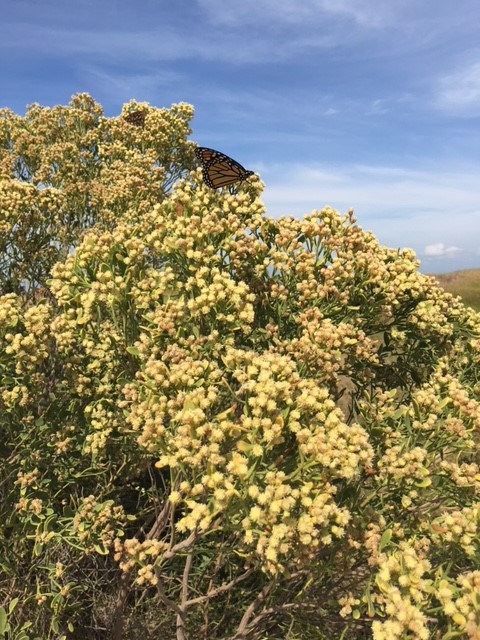
- Baccharis (Baccharis halimifolia)
- Black elderberry (Sambucus nigra)
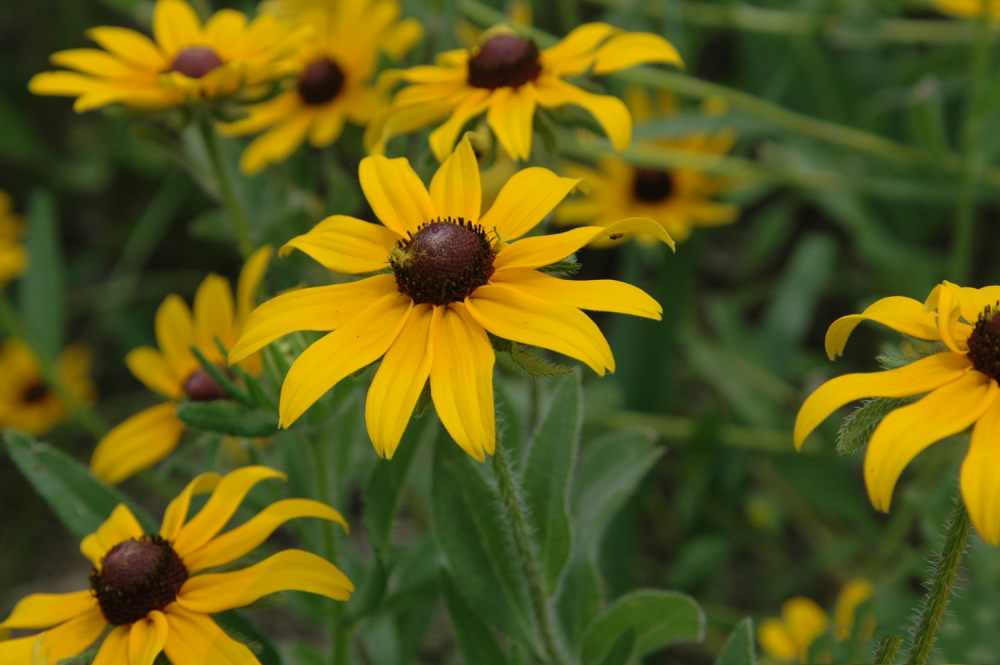
- Black-eyed Susan (Rudbeckia hirta)
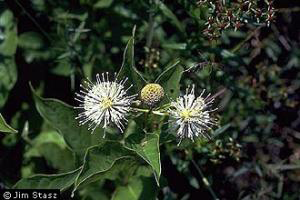
- Buttonbush (Cephalanthus occidentalis)
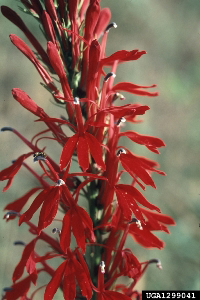
- Cardinal flower (Lobelia cardinalis)
- Coral honeysuckle (Lonicera sempervirens)
- Eastern redbud (Cercis canadensis)
- Firewheel (Gaillardia pulchella)
- Giant ironweed (Vernonia gigantea)
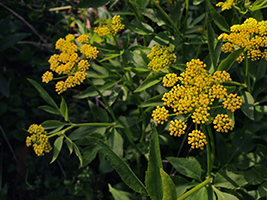
- Golden Alexanders (Zizia aurea)
- Joe Pye Weed (Eutrochium fistulosum)
- Lanceleaf coreopsis (Coreopsis lanceolata)
- Maypop (Passiflora incarnata)
- Mealy cup sage/mealy blue sage (Salvia farinacea)
- Rattlesnake master (Eryngium yuccifolium)
- Red maple (Acer rubrum)
- Straggler Daisey/Horseherb (Calyptocarpus vialis)
- Upright prairie coneflower (Ratibida columnifera)
- Wax mallow/Turk's cap (Malvaviscus arboreus)
And multiple species in the following genera:
- Asters (Symphyotrichum spp.)
- Bee balm/bergamot (Monarda spp.)
- Blazing stars (Liatris spp.)
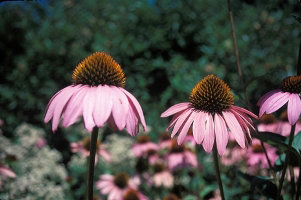
- Coneflowers (Echinacea spp.)
- Crownbeards (Verbesina spp.)
- Goldenrods (Solidago spp.)
- Lupines (Lupinus spp.)
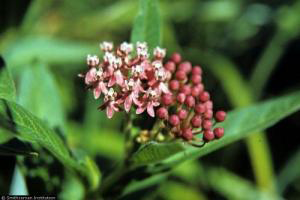
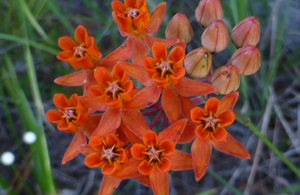
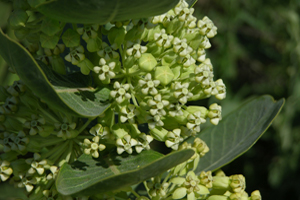
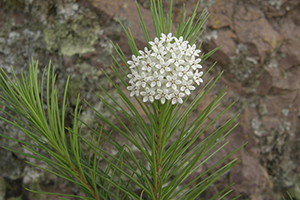
- Milkweeds (Asclepias spp.)
- Mistflowers (Conoclinium spp.)
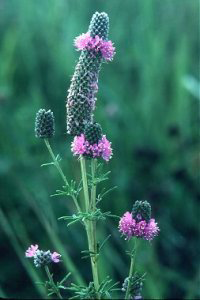
- Prairie clovers (Dalea spp.)
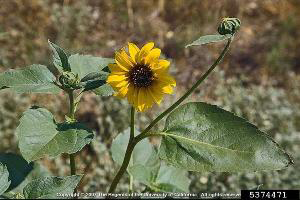
- Sunflowers (Helianthus spp.)
- Thistles (Cirsium spp.)
See the full list of species by searching The Plants and Animals page, filtering for the Nectar Connectors Campaign under Plant Type.
HOW TO PARTICIPATE
1. Join Nature's Notebook. If you haven't already, create a Nature's Notebook account. If you need more details on getting started, take our Observer Certification Course at learning.usanpn.org.
2. Select one (or more) species to track from the list of species below. To see which species are available in your state, go to The Plants and Animals page, and filter for your state and Nectar Connectors Campaign (under Plant Type).
3. Take observations. We invite you to track leaf out in your plants ideally 2-4 times a week in the summer and fall when plants are flowering. We are especially interested in flowering phenophases, though you are welcome to report on leafing and fruiting as well.
4. Report your observations. As you collect data during the season, log in to your Nature's Notebook account and enter the observation data you recorded. You can also use our Nature's Notebook app to submit your observations!
EARN YOUR Nectar Connectors BADGE
See it on your Observation Deck.
Species that are part of the Nectar Connectors campaign:
Download phenophase photo guides to help you with identiying flowering of a subset of these species, available on the New York Phenology Project website.
As of 2026, we are also adding species that are part of the Time to Restore project to this campaign. Note that these new species are included in the list of species and genera above but not all are featured in the photos below.
Blazing stars:
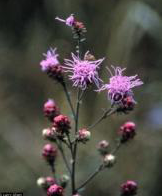 | 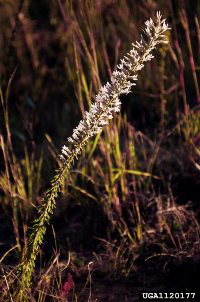 | 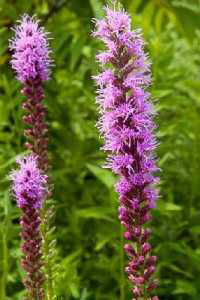 |
| tall blazing star (Liatris aspera) | pinkscale blazing star (Liatris elegans) | dense blazing star (Liatris spicata) |
Asters:
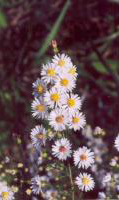 | 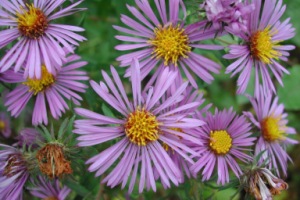 |
| white heath aster (Symphyotrichum ericoides) | New England aster (Symphyotrichum novae-angliae) |
Goldenrods:
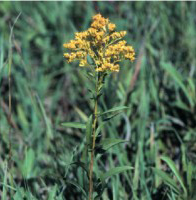 | 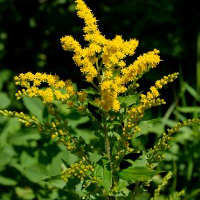 | 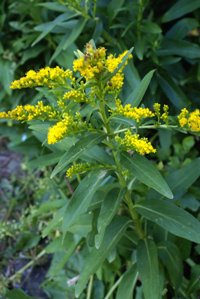 | 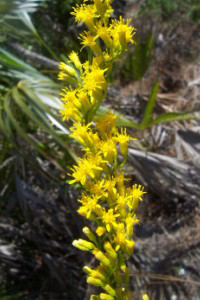 | 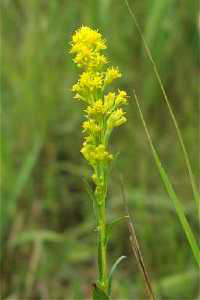 |
| Missouri goldenrod (Solidago missouriensis) | wrinkleleaf goldenrod (Solidago rugosa) | seaside goldenrod (Solidago sempervirens) | wand goldenrod (Solidago stricta) | bog goldenrod (Solidago uliginosa) |
Lupines:
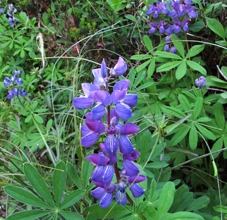
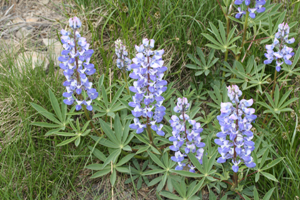
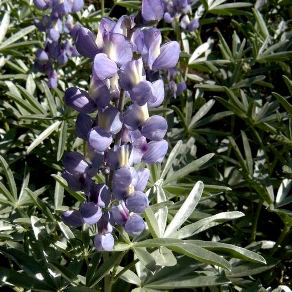
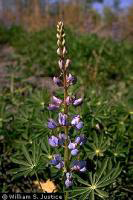
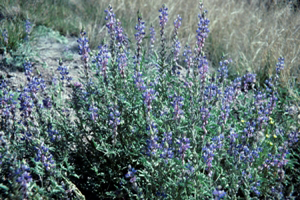
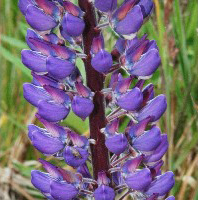
Bee balm/bergamot:
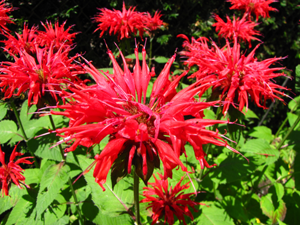 | 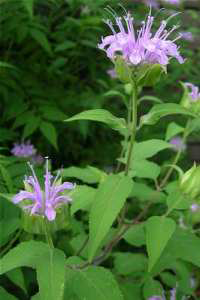 |
| scarlet beebalm (Monarda didyma) | wild bergamot (Monarda fistulosa) |
Thistles:
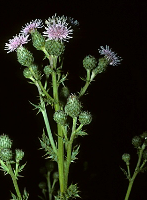 | 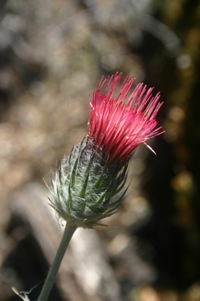 | 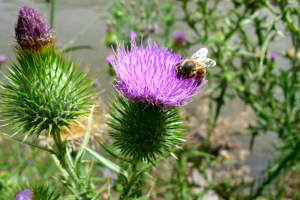 |
| Canada thistle (Cirsium arvense) | cobwebby thistle (Cirsium occidentale) | bull thistle (Cirsium vulgare) |
Joe Pye Weeds:
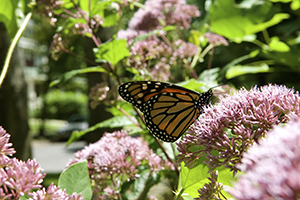 | 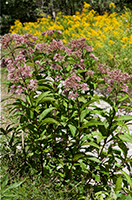 |
| spotted joe pye weed (Eutrochium maculatum) | trumpetweed (Eutrochium fistulosum) |
Milkweeds:
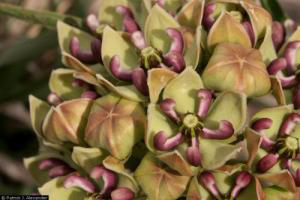
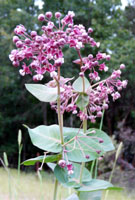
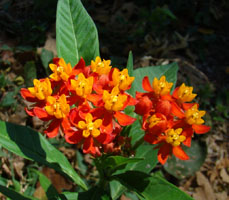
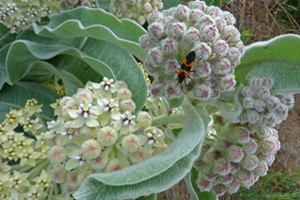
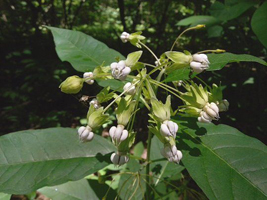
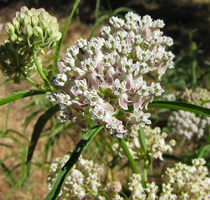
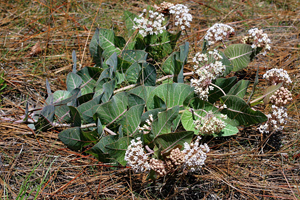
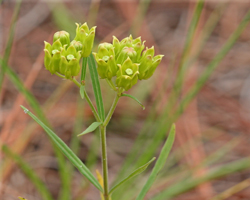
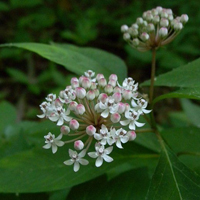
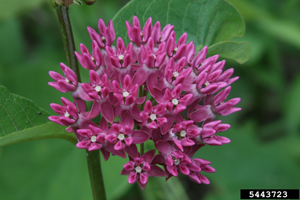
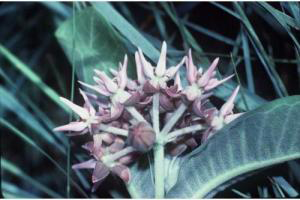
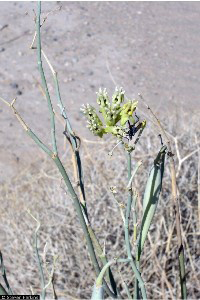
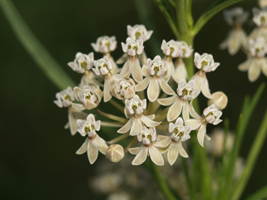
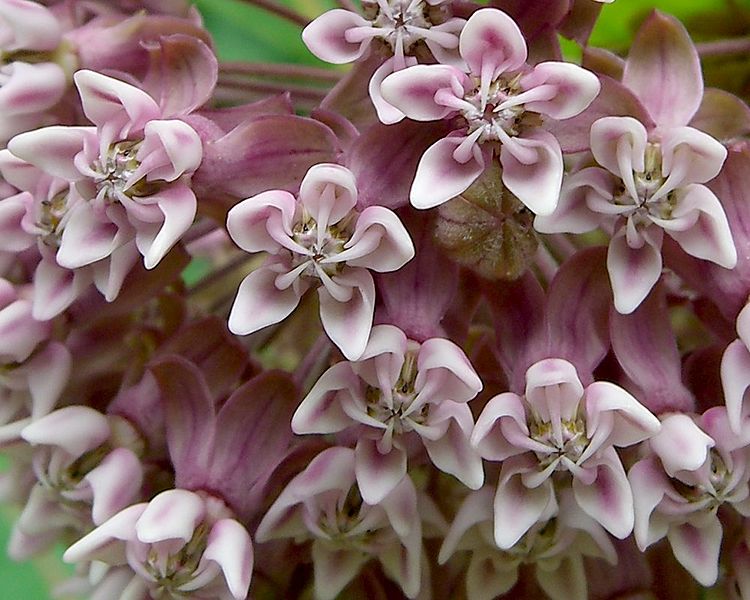
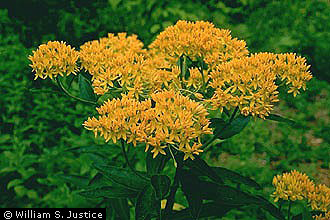
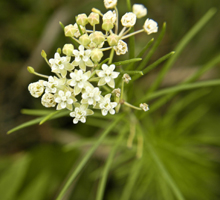
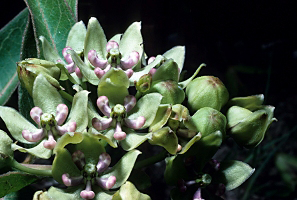
*Note that this species is considered invasive in some locations
Other:
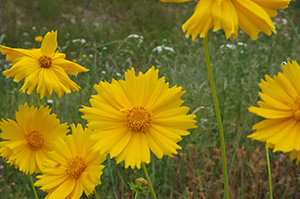
To see which species are available in your state, go to The Plants and Animals page, and filter for your state and Nectar Connectors Campaign (under Plant Type).